
OnlineCasino.eu:
Online Casino Guide & Top Best Online Gambling Sites






Top European Online Casinos

PlayAmo Casino
Excl €100 bonus
- Great casino atmosphere
- Multiple casino bonuses
- Plenty of casino games

BetAmo Casino
Excl €150 bonus
- Nice casino atmosphere
- Multiple casino bonuses
- Plenty of casino games

Bob Casino
Excl €100 bonus
- Casino with funny touch
- Interesting promotions
- Many payment methods

Spinia Casino
Excl €250 bonus
- Amazingly high bonus
- Mobile friendly
- High withdrawal limits

Betchan Casino
Excl €400 bonus
- Nice welcome bonus
- Nice promotions
- VIP loyalty program

Tonybet Casino
Excl €200 bonus
- Huge offer games
- Excellent live casino
- Casino, Sports & Poker

Unibet Casino
Excl €300 bonus
- Well-known in Europe
- Unibet TV Live Stream
- Mobile-friendly

Mr Play Casino
Excl €400 bonus
- Get up to 150 Free Spins
- Mobile-friendly
- Nice welcome bonus!

Fun Casino
Excl €123 bonus
- Amazingly high bonus
- Mobile friendly
- High withdrawal limits


888 Casino
Excl €200 bonus
- Excellent website
- Good promotions
- Operated since 1997

Omni Slots Casino
Excl €300 bonus
- Many Slots
- High withdrawal limits
- Mobile friendly website

Guts Casino
Excl €300 bonus
- Great reputation
- Mobile-friendly website
- Fast payouts!
onlinecasino.eu,
Honest information.
We here at OnlineCasino.eu offering you a wealth of casino information and provide you with all the needed 'ins and outs' about the best online casinos found on the internet. Do not get lost in a sea of online casino websites to choose from and let us help you with our reliable listings. We have the most trusted and licensed casinos, including the best bonus deals!
Already have an account? Sign in here
Latest News
Online Casino Guide For European Casino Players
Welcome to one of the most exciting, innovative, and welcoming online experiences in the world! That sounds like a big claim, but it’s true of the online casino world. The internet has supercharged the gambling market. Changes are happening so fast and are so far-reaching that it’s even leading to legal changes in the United States, the world’s biggest gambling market. Elsewhere – especially in the UK, and the Netherlands with sports betting in Europe– going online has introduced gambling to a whole new generation who demand fantastic user experiences as well as great looking and sounding internet casino sites that are a pleasure to browse around. This is certainly applicable to the Dutch online casinos that are available today.
Gone are the days of the dodgy fruit machine arcade, the dingy betting shop and the cheesy casino! Playing online makes everyone’s casino experience as glamorous as a Las Vegas high roller’s, and as accessible as popping to your local shops. Innovation is everywhere in this new world. It is relatively easy to set up a casino site, but it’s much, much easier to ignore it and head to one offering a better experience, a better choice of games, or a better welcome bonus.
While the on-street gambling industry became the preserve of a few well-known giants, who – quite frankly – had become complacent, the online marketplace has seen masses of new names enter the market, ready to offer superb quality to players who are hungry for new ideas. There’s an element of the Wild West to the Internet though, and anyone spending their hard-earned money online should be aware that there can be risks. The vast majority of Euro casino players will never have a moment’s trouble while using online casinos. But it the best investment any player can make is the investment of a few minutes to check out the licensing, safety, and banking bona fides of any online casino site you’re going to use. This is what we’ll help you with, in this online casino guide.
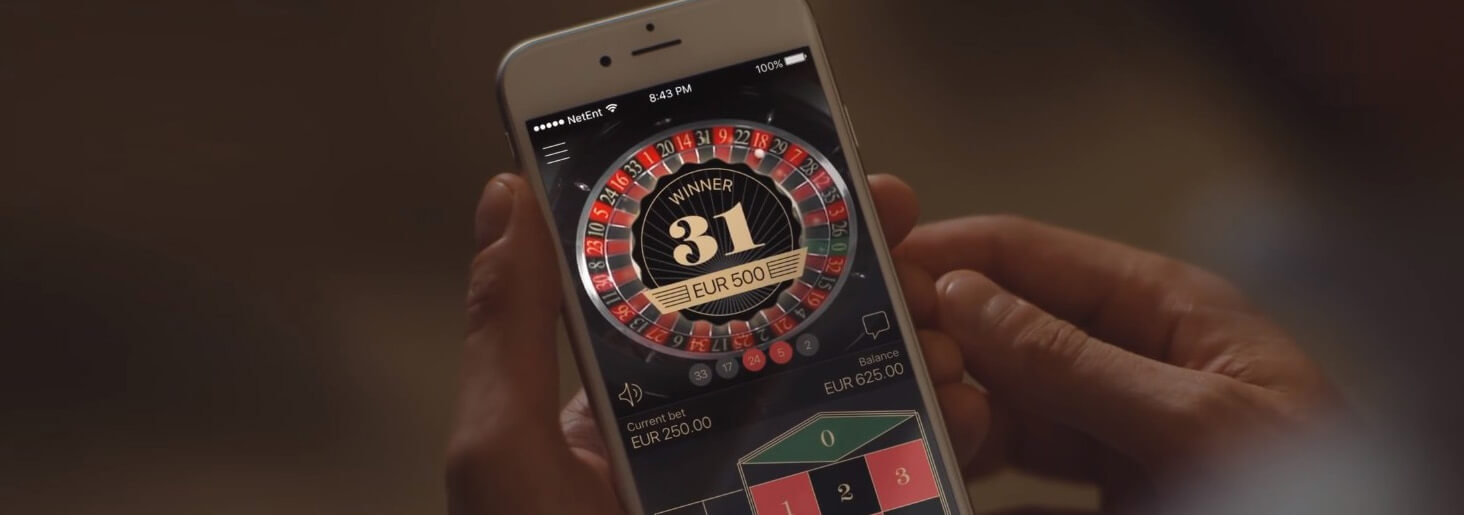
What is an online casino?
Online casinos are exactly what they say they are: online spaces for gambling. There’s a bit more to it than that, of course. When we think of a casino we often think of quite a stylish and exclusive space, perhaps only open to members – and glamorous members at that. That’s partly true of the online version of the service too. However, an online casino can offer so much more than its bricks-and-mortar version.
The first thing you’ll find at an online casino is that you have to be a member to play. You will also have to certify that you are of legal age to gamble too. In most European countries, that means signing that you’re 18. You’ll also need to provide some means of payment in nearly all cases. This could be a bank card, but it could also be an online wallet or electronic banking system. PayPal stayed out of this market for years, but in their place came other big names, especially Skrill, Neteller, and Paysafecard.
Internet online casinos bring innovation
Innovation is coming to this side of the market too. Mobile casinos are popping up all the time and mobile design is getting better and better. This includes new pay-by-phone methods at casinos.
So you need to join, you need to sign up, you’ll need to verify your email address, you may even need to send scans of some documents to prove that you’re legally entitled to play. These things can feel a drag in this age of instant gratification, but such safety checks are really worth their weight in gold, and a wise player will assume an air of Zen-like calm and recognise that a well-regulated industry is really the only safe way to enjoy a safe online casino experience.
Once you’re inside there’s no telling what you’ll find! That is to say, the options for the casino are massive. They do tend to follow a pattern though. Games will be divided between online video slots, instant wins, casino games, and live games. Most of those are self-explanatory – live games are basically streaming video of a casino game being played – and you may find the choice bewildering. There could be further options. Bingo is a possibility, though it’s most often at a linked and dedicated site rather than in a site that’s branded as a bingo. Sports betting is also often linked to casino sites.
Many web casinos even offer side games, slots or instant wins (these are like scratch cards) that you can enjoy while checking out sports odds or sitting through a game of bingo.
Flash or instant casinos vs download casinos
There’s a huge amount of choice in the marketplace. The most basic, binary choice you’ll have to make is between an instant online casino or a downloadable casino app. The birth of mobile casinos has made this choice much more prevalent. Download casinos were never as popular on desktops where big-screen browsing and great quality internet connections made using online casinos a no-brainer. The choice is less clear-cut on mobiles. Apps are an established way to access a lot of services on smaller screens. Online casinos have been quick to offer apps to their customers.
Online vs Apps
Most players – 65% is one figure, though it’s hard to be accurate with these things – now use phones to gamble. Apps generally offer a better experience than browsing on mobile. But don’t instantly dive in and download, even if you are playing on a small-screen device. Playing online via a browser will always give you access to the most recent version of a game, using the latest technology and software – usually HTML5 and Flash.
Gambling with an App
With an app, you need to make sure you keep your app updated. You’re also going to have another icon on your desktop and another process using up your memory and connection – and we all know apps do stuff when we’re not interacting with them. There are advantages to apps though. Accessing them via the online stores of the big operators – Google, Apple, Windows – means you’re guaranteed that some sort of quality check has gone into approving the product for sale (don’t take this for granted though and always play safe).
Apps are almost always quicker to use. Again, we recommend you don’t take this as read. Apps cover a wide range of sophistication – it might be nothing more than a bookmark to a website – so check each one individually. We see one major drawback with apps though, even as companies pour more resources into them and improve service and operation all the time. That is that an app might force you to stay on one site longer than you should.
All the way through this guide we’ll emphasise choice, the benefits of choice for customers in pushing innovation, improvement and generosity from operators. That only works if customers move around though! It’s an established fact that consumer inertia is a big driver for the terrible experience customers have with banks, utilities, and transport companies. So, by all means, download an app, but don’t be afraid to delete it if it stops being the best option for you. Keep checking sites like ours for the latest online casino sites, which might be offering more games, better bonuses and a better experience.
EU Gambling Laws
The first thing you should do at any casino is to check that it is legal for you to use this particular casino site from the location where you currently are. Failure to do this leaves you open to a whole load of hassle, pain and disappointment. Trying to get around these restrictions is a big way in which scammers pick out vulnerable players to rip off. Just accept the law!
The sector is not yet covered by any specific EU legislation. That means each country can set its own regulations so long as they respect the EU’s founding principles, which means that businesses from one EU country should be able to operate in other EU countries without unreasonable restrictions. That right though doesn’t override the legal rights of EU countries to make their own decisions on the legality of gambling or particular gambling games.
The EU says it would like countries to work together in order to give consumers more protection. In order to do this, there is an effort to produce a voluntary EU-wide standard on regulation. This is likely to focus on issues like keeping minors away from EU online casino sites and cracking down on the use of online gambling sites for money laundering.
Nothing in EU gambling laws should stop players from enjoying their favourite casino sites. Wherever you are you need to make sure that what you are doing is legal in the jurisdiction you are in. It’s a good idea to check up on the licensing of your internet casino site every time you use it.
What makes an online casino safe and legal?
How do you keep a check on the safety of your favourite sites? Again, this is a possible weakness of using mobile apps to access your favourite sites, as you might find yourself simply returning again and again to the same place without checking that licences are up to date. This is something that you should always do. Make no exceptions!
The regulatory authorities haven’t always kept pace with the Internet. For example, in the UK it used to be legal to offer gambling services if you were licensed in another country. They have since cracked down, and these days you’ll need to see a UK Gambling Commission licence on the site if you want to play safely and legally in the UK.
Other countries have their own regimes. It has been common – for tax and regulatory reasons – to register sites in Malta. That’s fine, Mala is in the EU, but make sure that there is local licensing too if that’s what the law in your country says.
Safe gambling is a matter of reputation
Safe online casinos should be relatively easy to spot. A name you’ve heard of is useful. A good reputation in review sites and on forums – gamblers love to talk! – is an added extra. It should go without saying that your site should look good. Top online casinos should work when you click around the site. Best internet casinos should be well-designed and functional and well written in the language you want to use it in.
Best online casinos should have numerous help options, including as a gold standard, a telephone number if the country where you’re playing. You can go further if you like, and we don’t think that there’s any harm in being ultra-careful. This is your money, so if you want to throw it away then be our guests. Further checks you could make are the existence of a street address that you can check in an EU country or one with a high legal standard.
How to avoid gambling/casino scams
Avoiding bad casino sites can be harder. Why? Because they’re set up to fool you. So all the things that we tell you to look for in a good and reputable online casino site, a scammer will try to replicate! Do you want good baking partners? Fine, the scammer will Photoshop the logo and stick them no their front page. The same with licensing. The same with game partnerships. We don’t want you to be scared when you gamble online, but we do want you to be cautious. Follow safe browsing rules all the time – HTTPS in the address bar, please!
We’ll also mention safe gambling advice because it’s when you’re scrabbling after the money you’ve lost or you’re gambling to make money or to alter your feelings that you’re most vulnerable to being scammed. Please – we can’t say this loudly and often enough – play safely and play smart: accept that gambling is entertainment and that it might cost you money to play. Never play when you’re upset, and never play with money that you can’t afford to lose.
Safe online casino techniques
These safe gambling techniques are a great way to stay away from scam casino sites. Beware too of novelty. The appearance of new casino sites is exciting. Scammers know that. A decent designer can knock up a site in no time. Hosting is cheap. Advertising is cheap. So keep your wits about you when new online casinos come onto the market. It’s best not to just accept some anonymous posting in a forum as a sign that a site is good. You need to check it out properly before you sign up, look for publicity in mainstream gambling news sites and discussion. Everyone wants something for free, and scammers know this. So an offer that looks too good to be true is probably too good to be true.
No deposit bonuses are rare in the business because they’re not really a sustainable way to run a business. So if you see one then make sure you check out the site that’s offering it really thoroughly.
We’ll add an extra warning for banking options. It’s great to have a wide range of well-known banking sites listed on a casino’s front page. It’s fine if that includes a Bitcoin or other crypto payment option, but if the only way you can give money to a site is via cryptocurrencies then you should be on your guard.
How to find the best online casinos and what makes a top online casino stand out?
If all this sounds negative then we hope we’re not putting you off. The vast majority of players have fantastic online casino experiences and never come within a million gigabytes of a scammer. And the market has never been livelier – there are loads of brilliant new sites popping up all the time, most of them are high quality and getting better all the time and here at OnlineCasino.eu we actually list some of the best online casinos in Europe.
What grabs you will be down to your taste, particularly when it comes to design, but we think these are must-haves for a top online casino site:
Beautiful looks – on all platforms
It’s superficial, but a well-designed site makes playing an online casino a pleasure. Flashy graphics aren’t everything – and they aren’t to everyone’s taste – but a top online casino will clearly present your options in a way that’s easy to understand. If you want to play on a mobile or tablet platform that should be easy too. But don’t take words for granted, check out if the site you want to use actually works well on the platform you want to use it on.
Great performance – on all platforms
You should have a click round any web casino site before you sign up – and beware of sites that won’t let you look around but keep you on an endless loop of sign-up pop-ups. You’re looking for clear design and easy to use menus that take you where you want to go when you click or tap there. There’s now so much choice in the online slot market in particular that a good method of categorising slots is a big plus.
Well hello!
Your customers should be valued by the site you sign up at. The best way to see that at the moment is in the shape of a whopping big welcome bonus. Welcome bonuses are seldom as good as they appear at first sight. The small print will tie you to a site for a while at least. But that doesn’t mean that they’re to be sneezed at. Even better than a big upfront offer is a big upfront offer backed up with a good calendar of promotions or other community activities and deals. When you look at a site make sure you check out their upcoming events – it shouldn’t just be worthwhile to join, it should be worthwhile to stick around.
In conclusion, choose top online casinos if you would like to play the best online casino games in a safe format.
Don’t say NO to Free Online Casinos
All these warnings we’ve been throwing at you must have sounded pretty scary. Well, guess what? They only apply if you’re paying! Well almost. There are risks of hacking and data privacy wherever you go these days, but the real danger for bad decision making comes when you’re handing over real cash. So when you get offered the chance to play for free, grab it with both hands.
Not only can you play safely, but the free play also gives you the option to explore games, casino systems, and interfaces with no risk. You’d be a fool not to try out a free casino game before you shove a load of money in the slot. Even some slots can be sophisticated and complex these days, so you need to know that you’ll make the right call when the time comes. Some free online casino casinos will allow you to check out games in demo mode, but you may have to sign up to do so. That’s OK, but it might not be as good as playing the game at a dedicated demo or slot review site.
Real money casino gambling
Hopefully, that free play will stand you in good stead when you do have a balance-full of cash to spend. This is when you really need to keep your nerve and have your wits about you. We’ve covered a lot of this ground already, and hopefully, most of the people have enough common sense to navigate an online casino site safely. That’s not quite what the casino wants you to do though. While all the best online casinos offer advice on safe gambling – don’t play at ones that don’t – they really want you to stay and play as much as possible, and they are counting on you losing. It’s a hard fact, but that’s their business model. So be cool!
Don’t get swept up in winning streaks, flashing lights, beautiful dealers, amazing promos, superstitions or betting systems. Set limits. If you’re vulnerable perhaps it’s a good idea to make it difficult for you to overspend – never put too much cash in your account, use a dedicated online wallet for gambling only and limit the amount of cash in there, check out and use any self-limiting mechanisms on the sites you play at. And learn the games, before getting stuck in and enjoying your online casino experience.
Online casino tips
Enjoyment is the biggest key to a good online casino experience. Gambling is entertainment and you have to pay for entertainment – that’s as good a motto as an online game player can have. This doesn’t mean that you won’t win and that you won’t win big. That’s the magic that keeps us coming back. But don’t go into any gambling session expecting or needing to win money. Go in expecting to have a good time, switch off your financial antenna and enjoy yourself!
What do we do at OnlineCasino.eu?
OnlineCasino.eu is a website made for and by casino lovers and offers a complete online casino guide for Europen casino players. We provide a reliable digital guide for online casino gambling. Internet betting is becoming increasingly more popular, causing more online casinos to establish as well. Our website compares the best online casinos for the European casino market, including detailed information about each organization. You can be sure that you’re dealing with a trustworthy and licensed partner. In addition, comparing online casinos is a wise choice which will make you eligible for current bonuses and promotional offers. The latest online casino deals will be at your fingertips!
Online casinos are popular because they are much more accessible than regular casinos. There is no need for you to get dressed up before heading to the gambling house. Even better: you do not even have to leave your comfortable couch in order to spend the night gambling in an online casino. From the comfort of your own home, you can play in the online casino any game you want, 24 hours per day and 7 days per week. And your favourite slot machine will always be free! Another guaranteed stress-reliever. But there are many more advantages.
For example, an online casino has relatively low costs compared to a regular casino. Something that you, as a player, will benefit from. After all, these low costs will allow the casino to spend their money on other things. This is why you might encounter an online casino taking on its competition by giving away high bonuses. There is a welcome bonus for new players as well, while loyal players will be rewarded with extra friend bonuses and limited-time promotions. For a land-based casino, such bonuses and promotions are simply not an option. They need this money in order to pay their expensive lease and personnel.
An EU Online Casino Guide
For gamblers that have just started out, an online casino has something extra to offer. Many games can be tried out free of charge on the website. This gives you the opportunity to somewhat get to know the casino game before taking the chance of gambling with real money. Just don’t get stuck playing those games for too long. If you do not bet any money yourself, you will never end up making any kind of profit either.
Our website OnlineCasino.eu is fully independent and aims for a qualitative offering at all times. This is why we only compare the best online casinos that are available for the European casino market. This way, you, as an EU online casino player, will always make a safe choice and will be guaranteed to play through a reliable party! Alongside our EU online casino comparison and reviews, you will also find the most recent casino bonuses. Online casinos often try to differentiate by offering a unique welcome bonus for new players. Those casino bonuses are often spectacular and can amount to hundreds of euros that you, as the player, will benefit from – no strings attached. This is obviously a nice way of getting started and offers you some extra leeway and thus better odds of winning. Select the right online casino and try your luck. We wish you lots of fun and tons of luck in your upcoming bets!